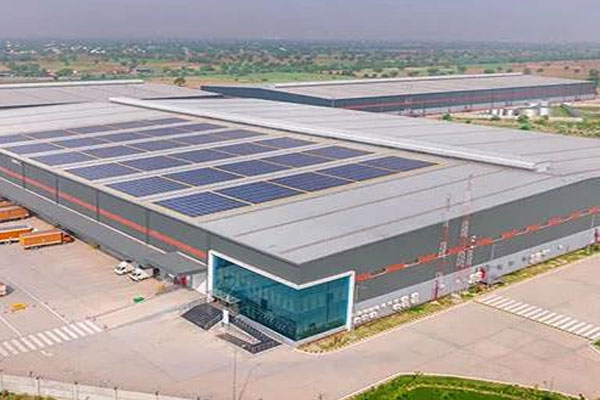
What is a Pre-Engineered Building (PEB)?
If you are planning to build a factory, warehouse, industrial shed, or commercial space in India, you may have come across the term Pre-Engineered Building (PEB). But what exactly is a PEB, and why is it becoming the top choice for industrial construction across India?
In this complete guide, we break down everything you need to know about Pre-Engineered Buildings — from what they are and how they are made, to their benefits, applications, and why they are the smartest investment for your next project.
What is a Pre-Engineered Building (PEB)?
A Pre-Engineered Building (PEB) is a steel structure that is designed, fabricated, and supplied by a manufacturer, and then assembled on-site by an erection team. Unlike traditional RCC (Reinforced Cement Concrete) construction, PEB structures are engineered in a factory-controlled environment before being transported to the site for installation.
The key word here is pre-engineered — every component of the building, including columns, rafters, roof panels, wall cladding, and accessories, is pre-designed and pre-cut to exact specifications. This means faster construction, lower costs, and consistently high quality.
Key Components of a Pre-Engineered Building
A typical PEB structure consists of the following components:
- Primary Steel Frame: The main structural skeleton — includes columns and rafters (tapered or parallel chord).
- Secondary Members: Purlins, girts, and eave struts that support the roof and wall cladding.
- Roof and Wall Cladding: Insulated or non-insulated metal sheets, typically made of Galvalume or galvanized steel.
- Doors and Windows: Industrial sliding doors, rolling shutters, and ventilation windows.
- Accessories: Ridge vents, skylights, gutters, and downspouts for complete weatherproofing.
How is a PEB Different from Traditional Construction?
| Feature | PEB Structure | Traditional RCC |
| Construction Time | 4–8 weeks | 6–12 months |
| Cost | 30–40% lower | Higher |
| Flexibility / Expansion | Easy to expand | Difficult to modify |
| Weight | Lightweight | Heavy |
| Durability | 50+ years | 50+ years |
| Design Flexibility | High (custom spans) | Limited |
| Maintenance | Low | Moderate to High |
Top Benefits of Pre-Engineered Buildings
Where are Pre-Engineered Buildings Used in India?
PEB structures are used across a wide range of industries and applications in India:
- Industrial Warehouses and Logistic Centers
- Manufacturing Plants and Factories
- Aircraft Hangars
- Metro Stations and Railway Structures
- Cold Storage and Food Processing Units
- Commercial Showrooms and Retail Spaces
- Schools, Auditoriums, and Institutional Buildings
- Sports Complexes and Indoor Stadiums
From small industrial sheds in Ahmedabad to large-scale metro infrastructure projects across India, PEB is the go-to solution for fast, cost-effective, and durable construction.
PEB Manufacturing Process: How It
Works
Here is a step-by-step overview of how a PEB structure goes from design to delivery:
- Step 1 – Consultation: Understanding the client’s requirements, site conditions, and load specifications.
- Step 2 – Structural Design: Engineers design the structure using software like STAAD.Pro, ensuring compliance with IS 800 and IS 875 codes.
- Step 3 – Fabrication: Steel is cut, drilled, welded, and assembled in a factory under strict quality controls.
- Step 4 – Surface Treatment: Blasting and painting (epoxy or zinc-rich primer) for corrosion protection.
- Step 5 – Delivery: Components are transported to the site with assembly numbering for easy erection.
- Step 6 – Erection: An experienced erection team assembles the structure on-site within a few weeks.
Why Choose NDC Engineering for Your PEB Project?
NDC Engineering is a leading manufacturer, supplier, and erector of Pre-Engineered Buildings based in Ahmedabad, Gujarat. With years of experience in structural steel fabrication, heavy structural projects, and turnkey industrial construction, NDC Engineering delivers:
- End-to-end solutions — from design to erection
- In-house fabrication facility at Ahmedabad
- Experienced erection teams pan-India
- Compliance with BIS and IS standards
- Projects across warehouses, metro stations, railway bridges, industrial sheds, and more
Whether you need a small industrial shed or a large-span factory building, NDC Engineering has the expertise and capacity to deliver on time and within budget.
Conclusion
Pre-Engineered Buildings represent the future of industrial and commercial construction in India. With their speed of construction, cost efficiency, design flexibility, and durability, PEB structures are the smart choice for factories, warehouses, metro stations, and more.
If you are planning a PEB project anywhere in India, NDC Engineering — based in Ahmedabad, Gujarat — offers complete end-to-end solutions from design to erection. Reach out to us today for a free consultation and quote.
Frequently Asked Questions
A PEB structure typically takes 4 to 8 weeks to complete, depending on the size and complexity of the project. This is significantly faster than traditional RCC construction, which can take 6 to 12 months.
Yes. PEB structures are designed to meet seismic zone requirements as per IS 1893. Steel’s ductility actually makes PEB structures perform well under seismic loading compared to concrete.
A well-maintained PEB structure can last 50 years or more. With proper surface treatment (blasting and epoxy painting), the steel components are protected from corrosion for decades.
Yes, one of the biggest advantages of PEB is its expandability. Additional bays can be added to the length of the building without major structural changes.